Overview
As electricity prices continue to rise across Pakistan, more homeowners are turning toward solar power as a long-term solution. Solar systems not only reduce energy bills but also provide energy independence and protect you from load shedding. Yet before jumping into installation, it’s essential to plan carefully. The right preparation ensures maximum performance, durability, and value for your investment.
1. Analyse Your Electricity Needs
Start by reviewing your monthly electricity bills to determine your average consumption in units (kWh). Understanding your usage helps in deciding what solar system size suits you best, whether it’s a 3 kW system for small households or a 10 kW setup for larger homes. Oversizing or under-sizing can both be costly mistakes. Your installer can also conduct a load assessment to estimate daytime versus night time consumption patterns.
2. Evaluate Roof Space and Direction
The performance of your solar system largely depends on your roof’s condition and orientation. In Pakistan, south-facing panels at a tilt of around 30 to 35 degrees usually capture the most sunlight. Make sure the roof is strong, free of shade from nearby trees or water tanks, and large enough to accommodate panels safely. A structural inspection before installation prevents long-term issues like roof leakage or uneven weight distribution.
3. Select Quality Solar Panels and Inverter
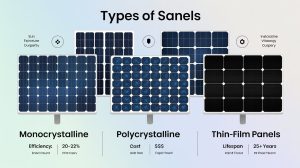
Not all solar panels are created equal. Go for Tier-1 panels with a solid warranty (typically 25 years for performance). Brands such as Longi, Canadian Solar, and JA Solar are widely used in Pakistan due to their reliability in local weather conditions. Similarly, the inverter is the system’s brain — choose a reputable brand like Growatt, Huawei, or Inverex with at least a 5–10-year warranty. A good inverter can improve system efficiency by up to 10%.
4. Choose the Right Installer
Many homeowners are tempted to pick the cheapest offer, but in solar installation, quality service matters as much as the product itself. Always select a certified installer registered with AEDB (Alternative Energy Development Board). Experienced professionals ensure proper wiring, grounding, and safety measures. Ask for site visits, previous customer reviews, and after-sales support commitments before signing a deal.
5. Consider On-Grid vs. Hybrid vs. Off-Grid Systems
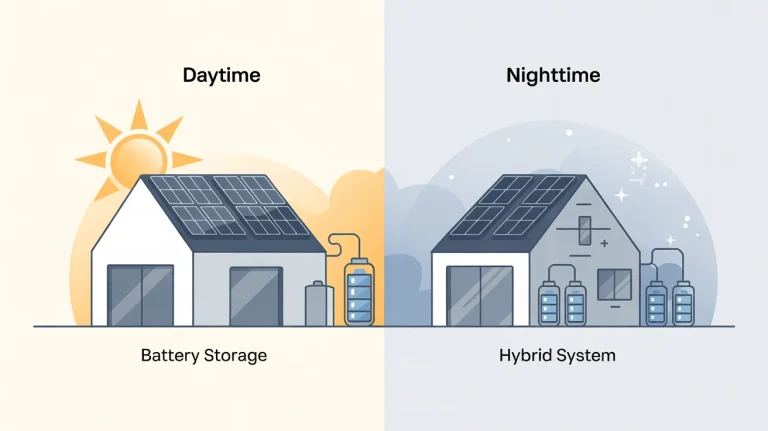
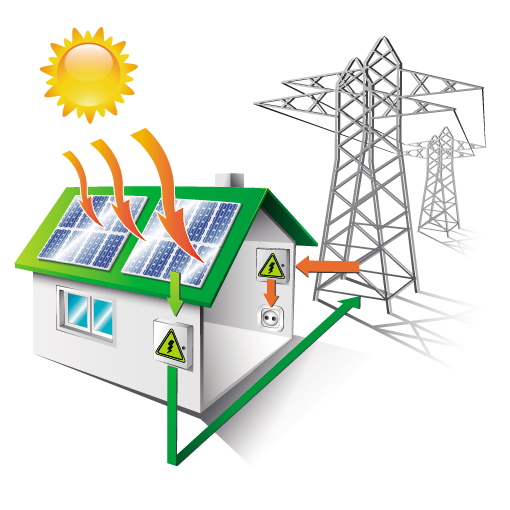
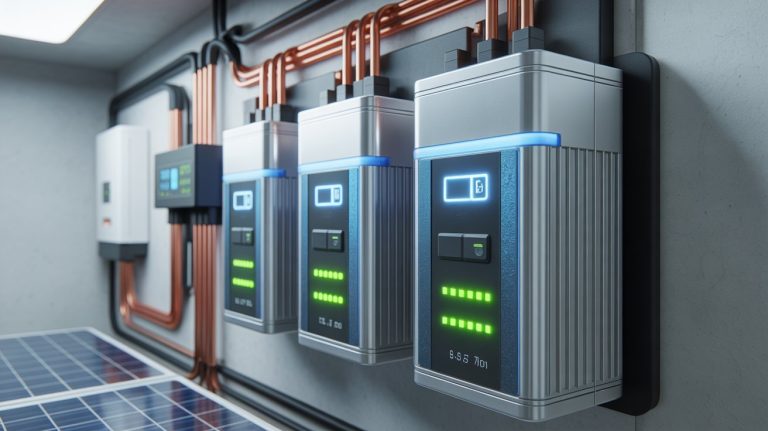
In Pakistan, most homeowners opt for on-grid systems because they allow net-metering, meaning excess energy is exported to the national grid and credited to your bill. However, if your area suffers from frequent load-shedding, a hybrid system with batteries may be more practical. While off-grid systems offer full independence, they can be expensive due to high battery costs. Choose a setup that aligns with your electricity reliability and budget.
6. Understand Net-Metering and Permissions
The NEPRA-approved net-metering policy allows you to sell surplus electricity back to the grid, reducing your monthly bills significantly. However, the process requires proper documentation and inspection by your DISCO (e.g., LESCO, KE, IESCO). Ensure your installer assists you with the application process, since approvals can take a few weeks. This step is crucial if you want to maximize financial returns from your system.
7. Budget and Payback Period
While have fallen in recent years, a typical 5 kW system still costs around PKR 800,000 – 1,200,000 depending on quality and brand. However, the payback period is usually between 3 to 5 years, after which your electricity is nearly free for the next two decades. Also, check for bank financing or government green loan options that make solar investment more accessible.
8. Maintenance and Cleaning
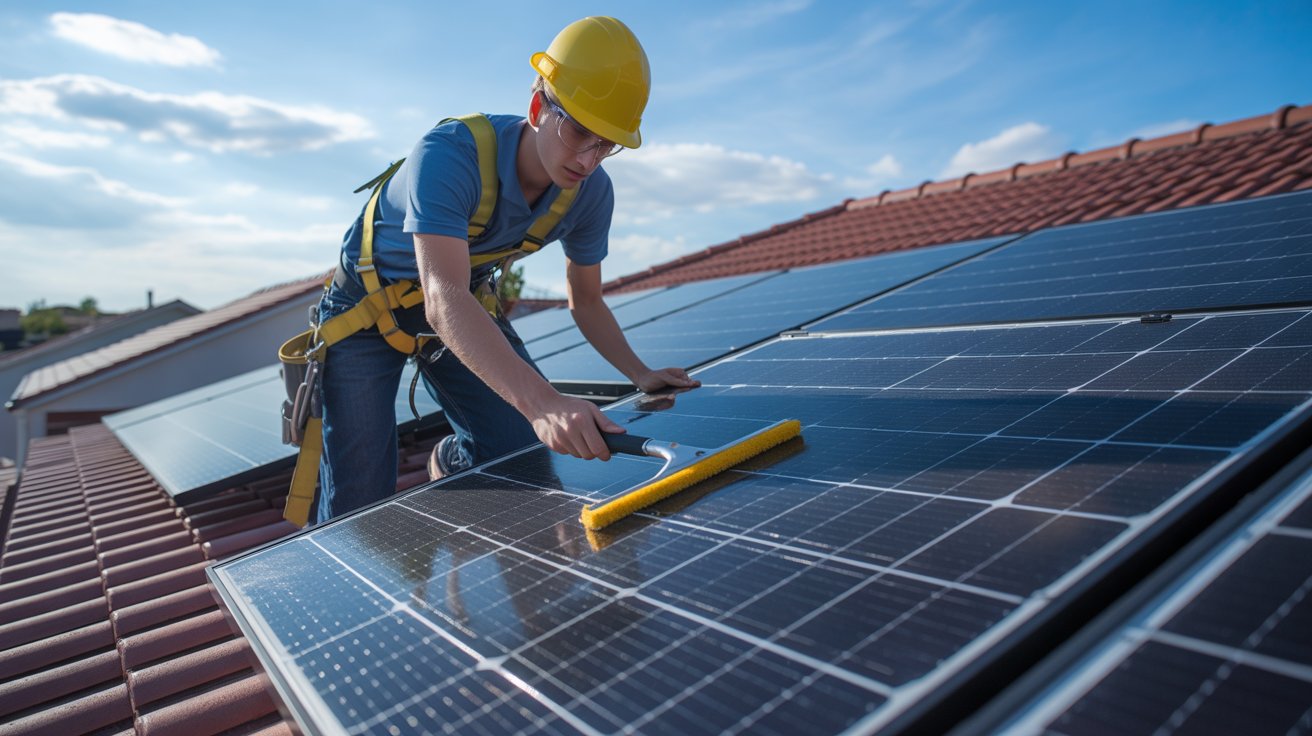
Pakistan’s dusty climate means solar panels can lose efficiency if not cleaned regularly. Schedule a panel wash every two to three weeks using clean water and a soft cloth. Also, monitor system performance through the inverter app to ensure its generating expected units. A little maintenance goes a long way toward extending system life and maintaining energy output.
9. Safety and Weather Considerations
Solar installations must comply with proper earthing and surge protection to prevent damage during thunderstorms or voltage fluctuations. In areas prone to heavy winds or hail, ensure panels are mounted securely with quality frames. It’s better to invest in safety upfront than face costly repairs later.
10. Choose a Future-Ready System
Finally, think ahead. Energy needs grow over time as you add appliances or an electric vehicle. Opt for a system that can be expanded easily. Many inverters now come with battery-ready options, allowing you to add storage later without major upgrades.
Conclusion
Installing a home solar system in Pakistan is one of the smartest financial and environmental decisions you can make. But success lies in careful planning, quality components, and professional installation. By keeping these measures in mind, you can enjoy reliable power, reduced bills, and a cleaner environment — all while contributing to a brighter, energy-independent Pakistan.