Overview
In today’s fast changing energy landscape, achieving energy independence is no longer a distant dream, it’s becoming an attainable reality. By embracing lithium-ion battery systems, homeowners, businesses and communities can go green, reduce dependence on traditional grid power, and unlock a future powered by renewables.
Lithium-ion batteries have undergone a remarkable transformation in cost and performance over the last decade. According to the International Energy Agency (IEA), the cost of lithium-ion batteries has fallen by around 90% since 2010. This steep decline in cost is a key enabler for wide scale adoption of battery storage systems tied to solar panels, wind turbines and other clean energy sources.
Energy density and efficiency have also improved rapidly. The global battery industry has seen energy densities increase by approximately 5–8% annually in recent years. As a result, lithium-ion systems are now viable not just for smartphones and EVs, but for stationary energy storage allowing homeowners to store excess power and draw on it when the sun isn’t shining or the wind isn’t blowing.
Why Lithium-Ion Batteries Deliver Energy Independence
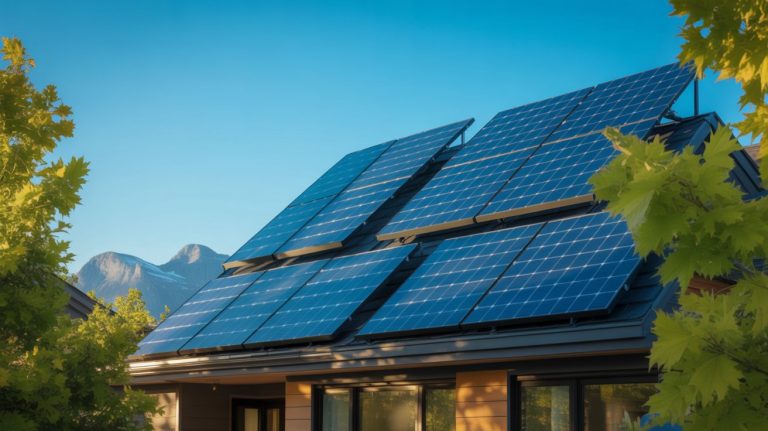
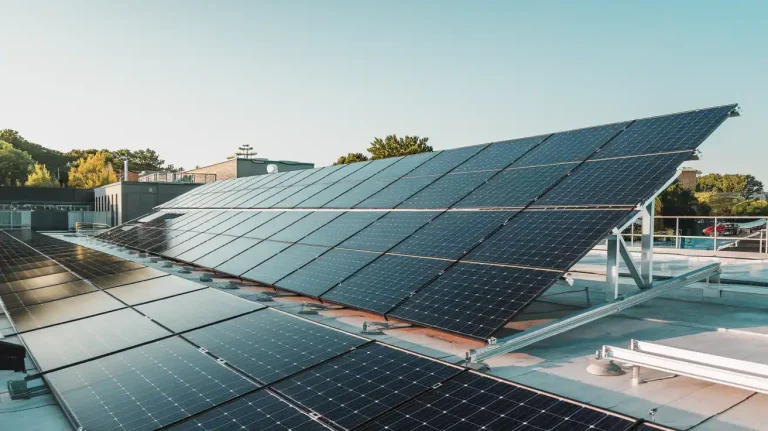
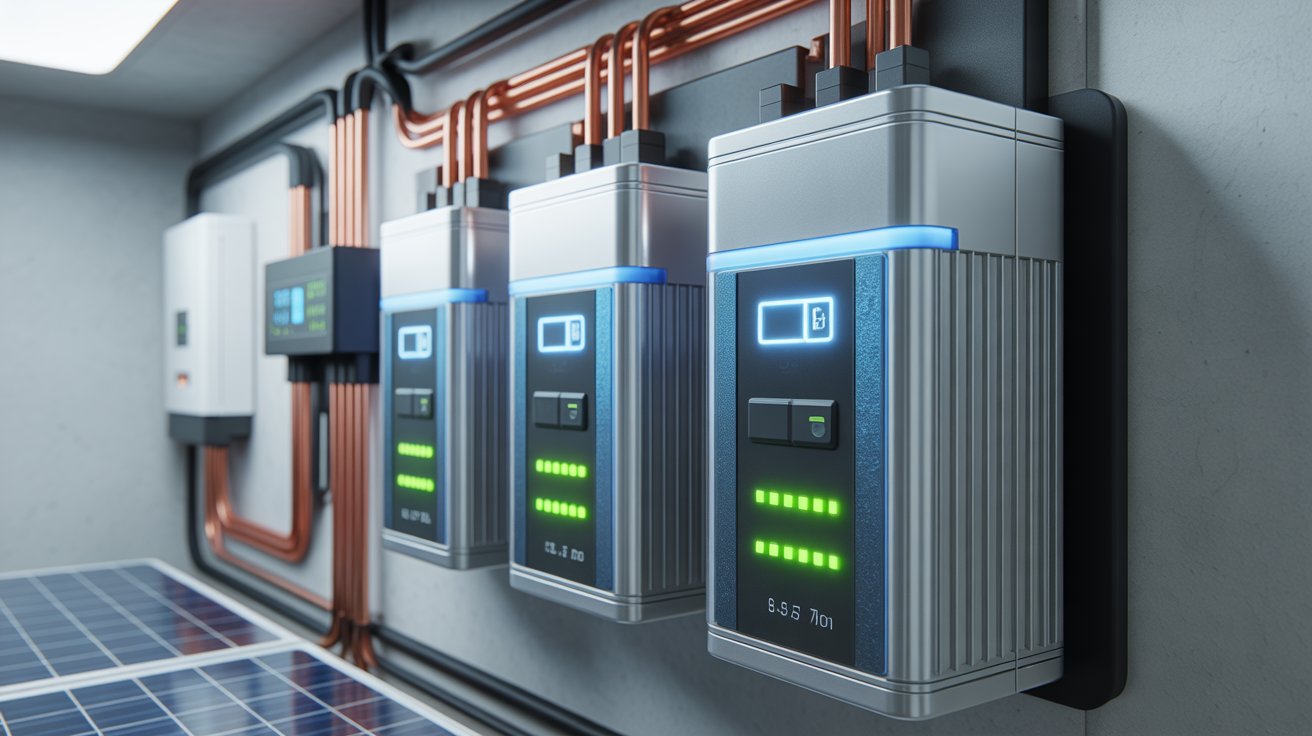
Energy independence means being less reliant or entirely independent from grid supply and fuel imports. With a solar PV system combined with a properly sized lithium-ion battery bank, you can generate power when conditions permit, store it, and consume it when needed. The system thereby bypasses or greatly reduces reliance on the central grid.
Globally, battery storage capacity is scaling rapidly. In 2023, the energy sector added more than 40 GW of battery storage globally, nearly doubling the previous year’s increase. Utility-scale and behind-the-meter battery systems together are making independent power systems ever more practical. For smaller consumers, this means more control, fewer blackouts, and less vulnerability to fuel-price spikes.
Green Benefits & Cost Savings
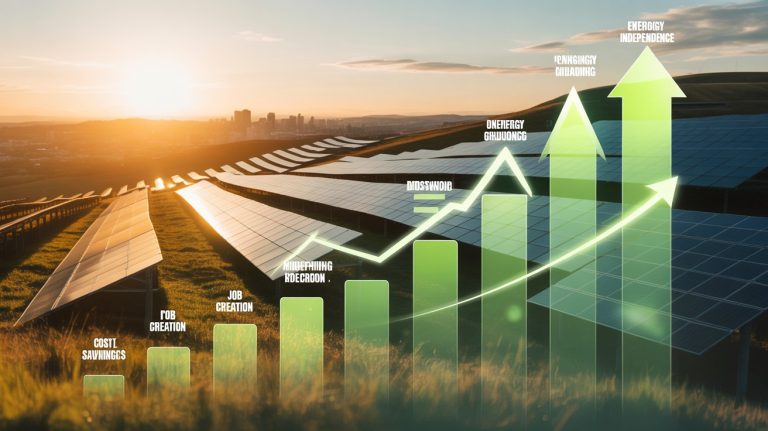
Switching to a lithium-ion battery backed system isn’t just about independence, it’s about greener power and long-term savings. Because many of these systems pair with solar panels, the electricity you store and use emits little or no carbon. Meanwhile, lowering dependency on utility-supplied power or diesel generators can translate into significant cost savings over time.
The cost drop for lithium-ion battery packs is striking: in 2023, pack prices had dipped to around US$137 per kWh. When paired with solar systems, the economics begin to favour self-generation and storage. As battery and inverter costs continue to fall, the payback period shrinks and the system becomes even more attractive.
Latest Trends & Technology Developments
The battery industry is not standing still. The dominance of different battery chemistries is shifting. For example, the share of lithium-iron-phosphate (LFP) batteries jumped from 48% in 2021 to an estimated 85% in 2024. LFP’s advantages lower cost, longer cycle life, improved safety is accelerating adoption in both EVs and stationary storage settings.
Meanwhile, global manufacturing capacity is exploding. Industry sources report that in the first half of 2025, power-battery installations worldwide reached roughly 504 GWh, up ~37% year-over-year. These installations are not just for vehicles, they include large scale energy storage systems that support grids, communities, and off-grid sites.
Practical Steps for Homeowners & Businesses
If you’re ready to go green and aim for energy independence, here are some practical steps:
-
- Assess your load and supply: Determine your current electricity use, solar potential (sunlight hours), and how much storage you’d need to cover critical loads.
-
- Select the right battery size & chemistry: For example, pick a lithium-ion battery bank sized to meet your nightly or backup consumption. Consider newer chemistries like LFP for better longevity and cost.
-
- Pair with renewables: A solar PV system combined with a lithium-ion battery allows you to generate when the sun shines and store the excess for later use, reducing grid draw.
-
- Plan for future growth: Choose systems with modular expansion so you can scale up storage as needed (for EVs, heat pumps or additional loads).
-
- Maintain and monitor: To ensure your battery lasts, keep it within recommended state-of-charge ranges, monitor health and follow manufacturer guidelines.
Why this matters now
The transition to renewable-powered, battery-backed energy systems is more than a niche, it’s becoming mainstream. The battery storage market is projected to grow rapidly, with global installations of new utility-scale systems expected to hit 94 GW (≈247 GWh) in 2025. For individuals, this means the window to invest in energy independence is now, the economics, technology, and incentives are aligning.
Conclusion
A Cleaner, Independent Future By embracing lithium-ion battery storage, you’re not just riding a technology wave, you are stepping into a future where energy is cleaner, more controllable and less dependent on external providers. The dramatic cost drops, improved performance and growth of storage infrastructure make this a compelling time to act. Whether you’re a homeowner, a business owner, or part of a community project, lithium-ion battery systems can help you go green, save on costs and build true energy independence.
Lorem ipsum dolor sit amet, consectetur adipiscing elit. Ut elit tellus, luctus nec ullamcorper mattis, pulvinar dapibus leo.