Solar Energy Growth in Pakistan
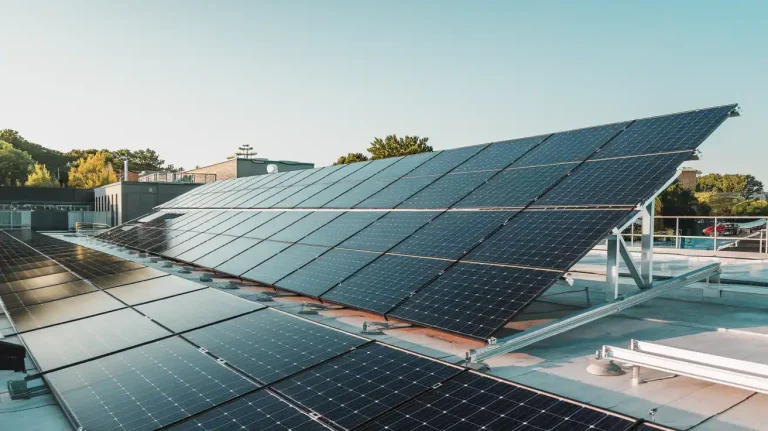
The future of solar energy in Pakistan in 2026 looks brighter than ever. Over the past decade, Pakistan has faced serious energy challenges, including rising fuel costs and frequent power shortages. These challenges are pushing the nation toward renewable solutions, especially solar power.
By 2026, solar energy is expected to play a vital role in meeting Pakistan’s electricity demand. The government’s increasing support for net metering, green financing, and solar-friendly policies is encouraging both individuals and businesses to shift to solar.
Solar adoption is not only helping reduce electricity bills but also easing pressure on the national grid, creating a cleaner and more sustainable energy mix for the country.
Falling Solar Panel Costs and Easier Access
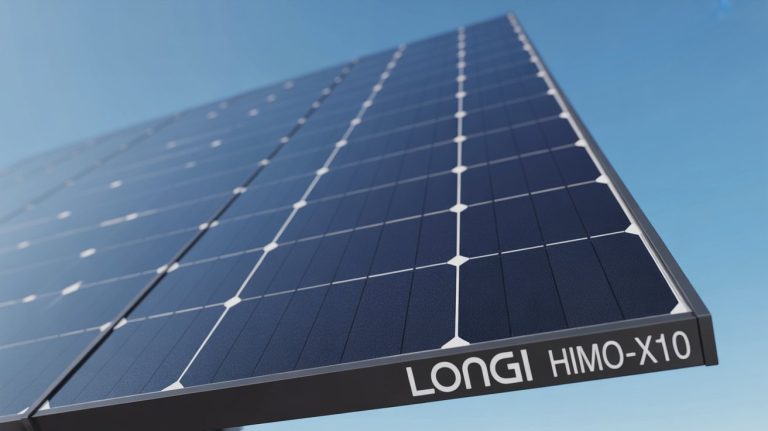
One of the biggest reasons for the solar boom in Pakistan is the falling cost of solar panels and inverters. Prices of high-efficiency modules — such as 585W and 600-watt solar panel — have dropped significantly, making solar systems affordable for middle-class households and small businesses.
Government initiatives like the State Bank of Pakistan’s solar financing scheme and subsidies from provincial authorities have made it easier than ever to install rooftop solar systems. By 2026, solar energy is expected to be one of the cheapest sources of electricity in Pakistan, competing directly with traditional grid power.
The rise of solar leasing companies and easy instalment plans has further accelerated adoption, especially in cities like Lahore, Karachi, Islamabad, and Faisalabad, where residential and commercial rooftops are now major contributors to the renewable grid.
Battery Storage and Net Metering: A Perfect Combination
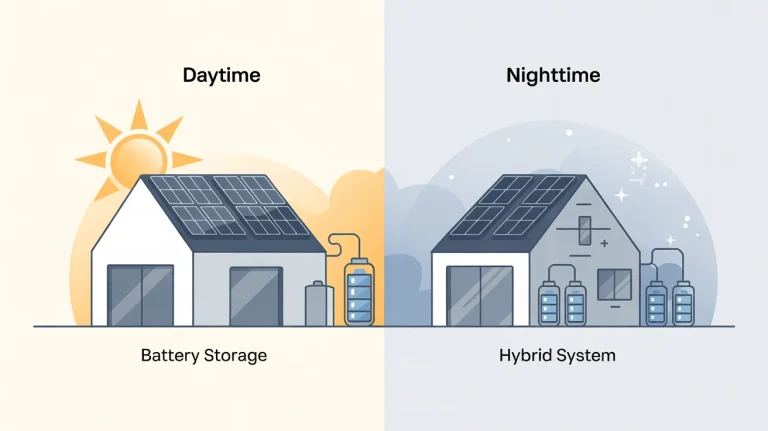
To make solar energy more reliable, battery storage systems are gaining popularity across Pakistan. Modern lithium-ion and lithium-iron phosphate (LiFePO₄) batteries now allow homeowners to store excess electricity during the day and use it at night.
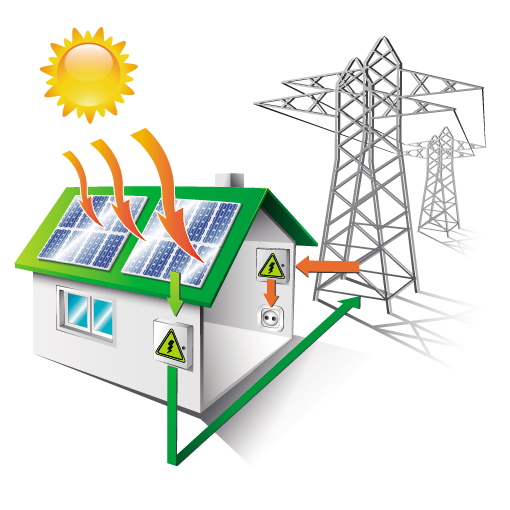
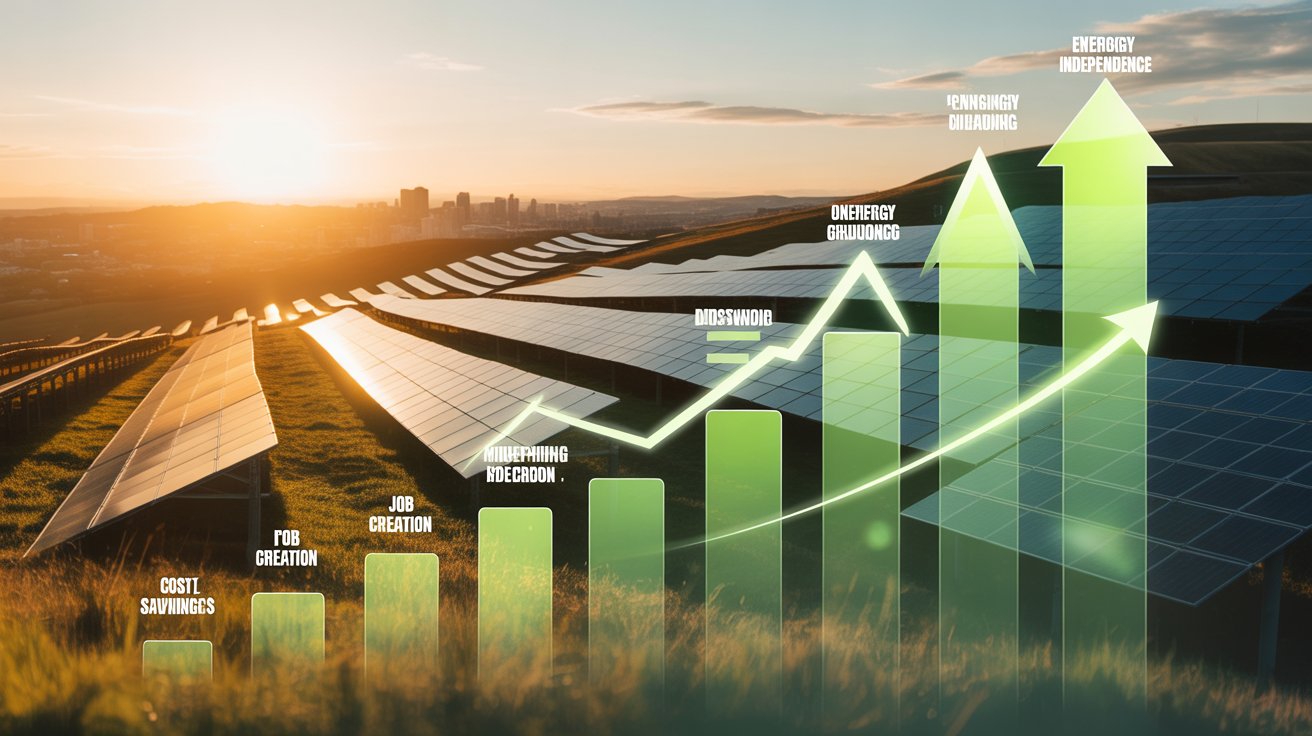
Combined with net metering, users can sell their surplus electricity back to the grid, earning credits or reducing future bills. By 2026, Pakistan’s energy landscape will feature thousands of interconnected solar-powered homes and industries — a clear step toward energy independence.
As more DISCOs (Distribution Companies) streamline the net metering approval process, Pakistan will see even higher adoption rates, especially in Punjab and Sindh, where solar potential is highest due to longer sun hours.
Industrial and Agricultural Applications
Solar energy is not just transforming homes — it’s revolutionizing industry and agriculture in Pakistan. Factories are increasingly switching to solar to reduce operational costs and meet environmental standards.
In agriculture, solar-powered tube wells and drip irrigation systems are helping farmers reduce dependency on costly diesel pumps. By 2026, the government’s solarization projects for agriculture and public institutions are expected to save billions in fuel imports annually.
Moreover, CPEC-related renewable projects and private investments are further expanding Pakistan’s solar infrastructure, making it one of the fastest-growing solar markets in South Asia.
Smart Homes and the Future of Urban Energy
Urban Pakistan is moving toward smart homes powered by AI-based energy management systems. These systems automatically regulate solar generation, storage, and consumption to minimize electricity waste.
By 2026, smart inverters, IoT monitoring tools, and hybrid solar systems will become common in modern housing societies. These technologies will help cities like Islamabad and Karachi achieve net-zero energy buildings, where solar panels produce as much power as the residents consume.
This shift toward decentralized clean energy will reduce pressure on WAPDA’s aging grid and cut national dependence on imported fuels.
Conclusion: A Solar-Powered Pakistan by 2026
The future of solar energy in Pakistan 2026 represents hope — for economic growth, energy independence, and environmental sustainability.
With falling costs, modern technology, and supportive policies, solar power will soon become the backbone of Pakistan’s renewable future. It offers a path toward stable electricity, reduced carbon emissions, and new opportunities for green jobs. As Pakistan harnesses its abundant sunlight, it is not just lighting homes — it is powering a cleaner, brighter, and more self-reliant future.