Green Metering in Pakistan: Benefits, Net Metering Policy & Billing Explained
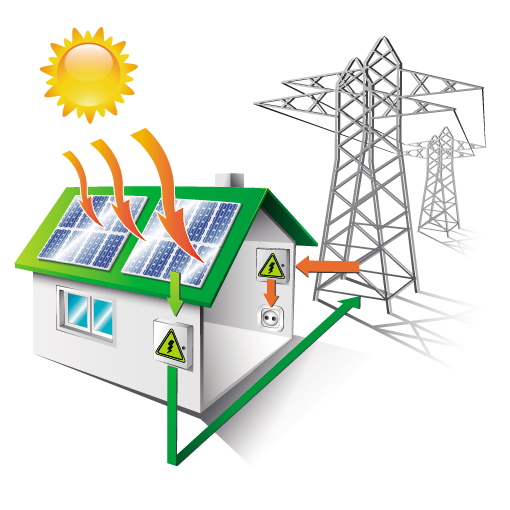
Green metering is an amazing mechanism that takes account of all the units supplied to the grid and taken from the grid when needed during the night time or even at the day time when the requirement surpasses the yield of the solar system. Green metering is a form of billing that credits the electricity generated by a solar energy system owner and supplied to the national grid. It integrates well with the green meter, enabling users to balance their electricity usage with self-generated solar power. That’s why net metering is also called Green Metering.
Net meter as often people confuse it, is not the supplier of electricity, it is just a measuring device that measures the units of electricity supplied to and from the grid station. Through net metering in Pakistan, consumers can save on their electricity cost and also play their role in providing sustainable energy.
Back Ground
Pakistan has been facing energy crisis for the past few years as the demand and supply gap has widened. The country’s current energy demand far exceeds its generation resources, and facing an energy shortfall of 4000 MW as a result load-shedding and power blackout have become severe issue. Keeping in mind above issues The Government of Pakistan promotes investment in the generation of small scale distributed renewable energy, through the Alternative Energy Development Board (AEDB), on the basis of green-metering concept.
Net Metering in Pakistan
The net metering mechanism was first introduced in the Policy for Development of Renewable Energy for Power Generation, 2006 (RE Policy). The National Electric Regulatory Authority (NEPRA) announced the official Distributed Generation and Net Metering Regulations on September 1st, 2015. As per these regulations, any customer of the electric grid (three-phase connections) can avail the possibility of Net Metering for small-scale renewable energies installations.
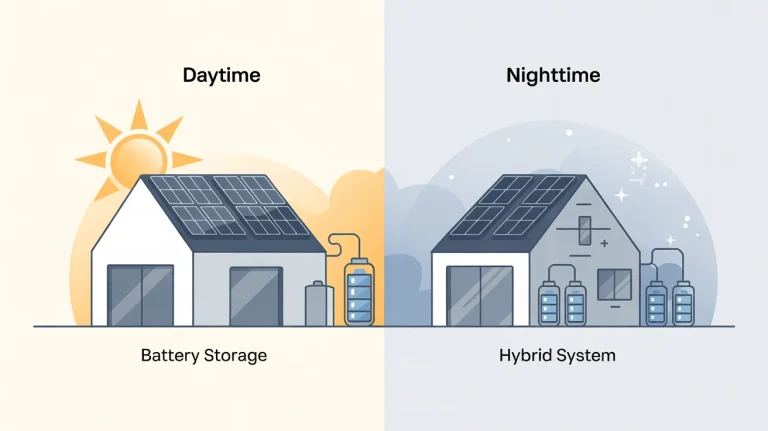
Why Net Metering in Pakistan? Net metering in Pakistan is a billing mechanism that credits solar energy system proprietors for the power they add to the grid. For instance, if a private client has a PV framework, it might create more electricity than the home uses during sunlight hours. If the house is net-metered, the electricity meter will run in reverse to give a credit against what power is used around evening time or different periods where the home’s power utilize surpasses the system’s yield. Clients are only charged for their “net” energy utility. The advanced digital meter keeps running in both bearings to accommodate power generated at the customer’s home. Net metering permits clients to produce their power effectively and efficiently.
Peak Hours and Off-Peak Hours
Peak hours and off-peak hours is the billing method of green meter connections. Peak-hours is the period in which electricity company allows less electricity usage (6:00 pm to 11:00 pm) and solar system is not generating electricity and consumer is drawing back the power from grid station. Rates of billing units are also different in both peak hours and off peak hours. Net billing is also calculated on the basis of units consumed in peak and off-peak hours.
If the unit price is considered Rs.20. The monthly bill of peak hours will be;
|
Type |
Units |
Price Per Unit |
Total Price |
|
Import |
90 |
20 |
1800 |
|
Export |
0 |
20 |
0 |
|
Net |
90-0 |
20 |
1800 |
If the unit price for off-peak hours is Rs.10. The Monthly Bill for off-peak hours will be;
|
Type |
Units |
Price Per Unit |
Total Price |
|
Import |
40 |
10 |
400 |
|
Export |
200 |
10 |
2000 |
|
Net |
40-200 |
10 |
-1600 |
Monthly net bill will be;
|
Peak Hours Bill |
1800 |
|
Off-Peak Hours Bill |
-1600 |
|
Net Bill |
200 |
If the figures of the bill are in positive sign, then consumer will have to pay the bill Rs.200. because the peak-hours bill is more than the off peak-hours bill. While if the sign of the net bill is negative then electricity company will adjust that amount in net month bill and charge of the bill will be towards electricity company.
Environmental Impact of Green Metering
Green metering in Pakistan plays a crucial role in mitigating environmental challenges by promoting the adoption of renewable energy sources and reducing reliance on fossil fuels.
Green metering reduces the emission of carbon dioxide (CO2), nitrous oxide (N2O) and methane (CH4). Which ultimately improves air quality and combats climate change. By encouraging the deployment of solar power systems and other renewable energy technologies, net metering supports the country’s efforts to achieve its renewable energy targets and reduce its carbon footprint.